
How Long Does a Roof Last in Florida? (By Material)
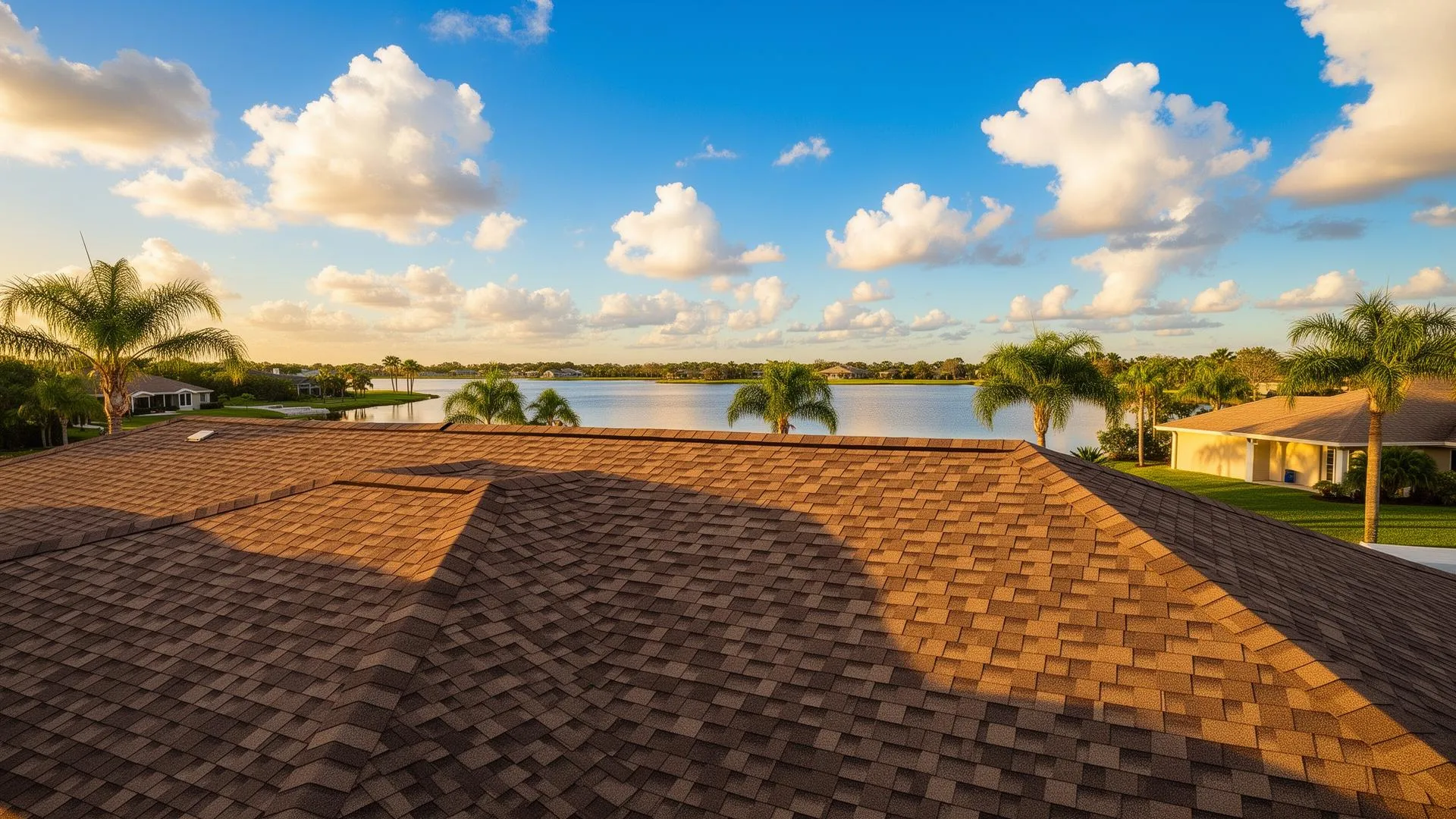
Florida is hard on roofs. The combination of UV exposure, humidity, tropical storms, and heat cycling wears materials down faster than most of the country. So when homeowners in St. Cloud, Kissimmee, or anywhere else in Central Florida ask how long their roof should last — the honest answer is: it depends on what it’s made of.
Here’s a breakdown by material, what shortens lifespan in Florida specifically, and how to know when yours is getting close to the end.
Asphalt Shingles: 15–20 Years
Asphalt shingles are the most common roofing material in Florida and the most common one we replace. Up north, a quality shingle roof can last 25–30 years. In Central Florida, expect 15–20 years — sometimes less if the roof was installed poorly or hasn’t been maintained.
The main culprit is UV radiation. Florida gets more direct sun exposure than almost anywhere in the continental US. That UV breaks down the asphalt binder in shingles over time, causing them to crack, curl, and lose granules. Once you see bare spots on shingles or find granules collecting in your gutters, the clock is ticking.
Things that shorten asphalt shingle life in Florida:
- Poor attic ventilation trapping heat underneath the deck
- Improper installation that doesn’t account for Florida’s wind requirements
- Skipping routine inspections after storm seasons
Things that extend it:
- Quality materials from a manufacturer like Owens Corning designed for high-UV climates
- Annual or post-storm inspections to catch small issues before they compound
- Proper ventilation installed during the original job
Metal Roofing: 40–70 Years
Metal roofs are the longest-lasting option available for Florida homes. A properly installed metal roof can outlast two or three asphalt shingle roofs and, in many cases, the homeowners themselves.
Standing seam metal and metal shingles both perform well in Florida’s climate. Metal reflects heat rather than absorbing it, which helps with energy costs year-round. It handles wind better than shingles — properly installed metal roofing can be rated for winds up to 140 mph, which matters in hurricane country.
The tradeoff is upfront cost. Metal roofing runs significantly higher than asphalt at installation. But when you do the math over 40+ years, it often comes out ahead.
One thing to watch: metal roofs in coastal areas can see corrosion faster than inland. Don Schmidt Roofing’s service area is far enough inland that this is rarely an issue — but it’s worth knowing if you’re close to saltwater.
Tile Roofing (Concrete or Clay): 25–50 Years
Tile is everywhere in Central Florida, and for good reason. It handles heat well, looks good on Mediterranean and Spanish-style homes, and lasts a long time when maintained properly.
Concrete tile typically lasts 25–40 years. Clay tile can push 50 years or more. Both are heavy — your deck structure needs to be built to handle the load, which is something we check during any replacement estimate.
The weak point with tile isn’t the tiles themselves. It’s the underlayment beneath them. The underlayment typically needs replacement every 15–20 years even if the tiles are still in good shape. If you have an older tile roof that’s leaking, that’s usually the first place we look.
Tile also cracks from impact — from falling branches, ladders, or anything heavy landing on it. Walking on tile incorrectly can cause hairline cracks you won’t see until they’re leaking. If you need to get on your roof for any reason, call us instead.
Flat/Low-Slope Roofing (Modified Bitumen, TPO): 15–25 Years
Flat roofs are more common on commercial buildings but show up on residential additions, garages, and some home styles. Modified bitumen and TPO membranes are the most common materials.
In Florida’s heat, flat roofs take a beating. Ponding water from heavy rain is the biggest enemy — if the drainage isn’t right, water sits and works its way in. A well-installed flat roof with proper drainage lasts 15–25 years. A poorly drained one might start causing problems in half that time.
Signs Your Roof Is Near the End
Regardless of material, here’s what to watch for:
- Granules in gutters or on the ground (asphalt shingles)
- Curling, cracking, or missing shingles
- Daylight visible in the attic
- Water stains on ceilings or walls
- Sagging sections anywhere on the deck
- Roof age is within 5 years of its expected lifespan
Any one of these is worth a call. Several of them together means you’re probably replacing it.
Quick Reference: Roof Lifespan by Material in Florida
Asphalt shingles: 15–20 years
Metal roofing: 40–70 years
Concrete tile: 25–40 years
Clay tile: 40–50+ years
Flat/TPO/Modified Bitumen: 15–25 years
Not Sure Where Your Roof Stands?
We’ve been inspecting roofs in Central Florida since 1988. A free inspection tells you what you’re working with — age, condition, remaining lifespan, and whether repair or replacement makes more sense right now. No pressure, no obligation.
Call us at (407) 892-9884 or request a free estimate at donschmidtroofing.com/roof-inspection.